
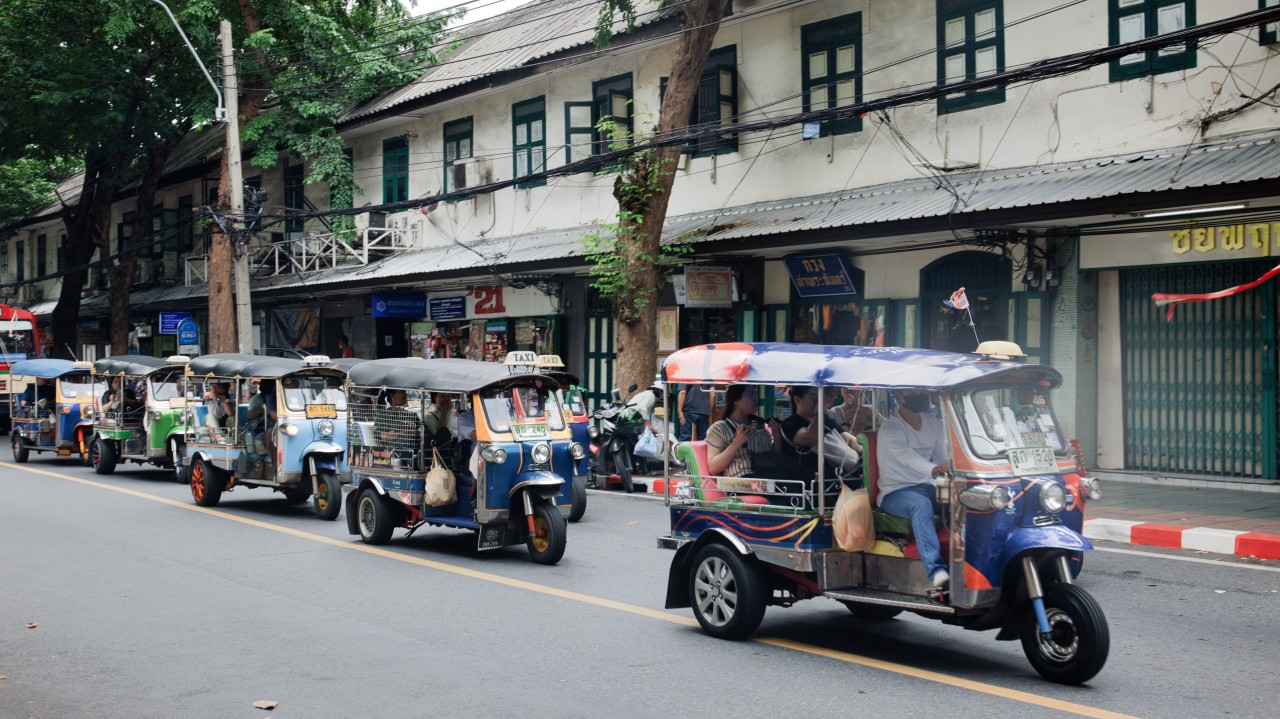
For decades, petrol-powered motorcycles and three-wheelers have been the backbone of personal mobility, passenger transport and last-mile delivery across Asia, Africa and Latin America.
But the market is beginning to change-and the transition may happen faster than many distributors expect.
According to the International Energy Agency, global sales of electric two- and three-wheelers reached approximately 11 million units in 2025, an increase of nearly 15% from the previous year. Electric models represented around 15% of total global sales in the segment.
Three-wheelers are moving even faster. More than 25% of three-wheelers sold worldwide in 2025 were electric. In India, electric models captured almost 70% of three-wheeler sales. In Europe, driven mainly by Türkiye, the share exceeded 80%.
The momentum continued into 2026. During the first quarter, electric two- and three-wheeler sales more than doubled in Southeast Asia and increased by over 30% in India.
Why is this transition gaining speed?
Electric two- and three-wheelers are relatively easy to electrify. They require smaller batteries than cars, can often be charged from standard electrical outlets and are well suited to predictable daily routes. For commercial operators, lower fuel and maintenance costs can also make the total cost of ownership increasingly attractive.
This does not mean petrol motorcycles and three-wheelers will disappear tomorrow. Adoption will remain uneven, especially in markets facing high purchase prices, limited financing, unreliable electricity supply or weak after-sales networks.
However, the direction is becoming difficult to ignore.
Under the International Energy Agency's Stated Policies Scenario, the global fleet of electric two- and three-wheelers could reach approximately 300 million by 2035-around four times today's level. Electric models could approach 60% of new two- and three-wheeler sales.
The real question for importers and distributors is therefore no longer whether electrification will arrive.
It is whether they will begin building the right products, technical knowledge, spare-parts systems and local service capabilities before the market accelerates.
The replacement of petrol will not happen everywhere at the same time. But in many markets, it has already begun.
Sources: IEA Global EV Outlook 2026
Originally published on LinkedIn: The Countdown Has Begun: Will Electric Two- and Three-Wheelers Replace Petrol?
Cover photo by Fernando B M from Pexels.
